What is a warehouse audit
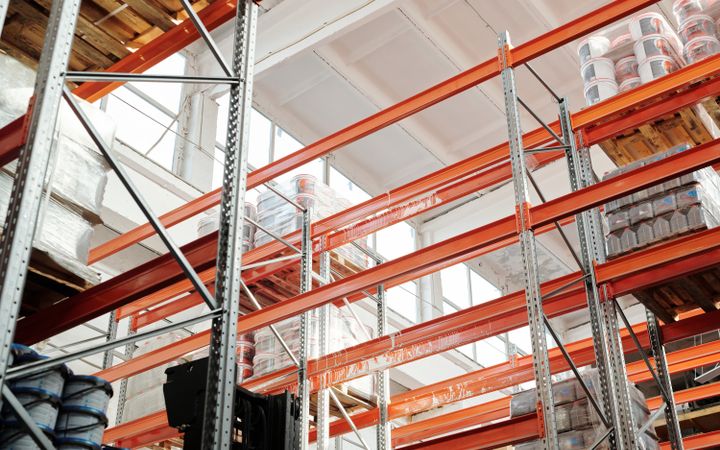
A warehouse audit is an independent examination of how a warehouse is run. It looks at the goods, the documents and the processes behind them, and answers a simple question: can management rely on its stock numbers, and are the controls that protect the stock working?
How it differs from a stock count
A stock count checks quantities. An audit does that too, but goes further. It asks why differences occur, whether procedures are followed, who can change records, and how goods are protected. The count is one piece of evidence; the audit is the conclusion drawn from all of them.
What auditors typically review
- **Stock existence:** do the goods in the records physically exist, and in what condition?
- **Records and documents:** are receipts, issues, transfers and write-offs supported by paperwork?
- **Valuation:** is stock valued consistently and are old or damaged goods reflected?
- **Processes:** how goods are received, stored, picked and dispatched.
- **Controls:** access, approvals, segregation of duties and exception reporting.
- **Security and conditions:** storage conditions, safety and protection against loss.
Why independence matters
People who run a warehouse every day naturally get used to its habits. An independent team sees what insiders no longer notice, has no interest in a particular result and can speak openly. For owners, foreign headquarters or lenders, an external view is often the only credible one.
What you receive
A good audit ends with a clear report: what was examined, what was found, how serious each finding is and what to do about it. It should also include practical recommendations and an owner and deadline for each action.
When to order one
- Before or after a change of management or storekeeper.
- When losses are growing and the cause is unclear.
- Before an acquisition, a loan or a year-end close.
- When a foreign owner needs assurance about a local warehouse.
What the process looks like
A typical audit starts with a meeting to agree scope, then a review of documents and procedures, followed by fieldwork in the warehouse: observation, sample counts and tests of controls. Findings are discussed with management before the final report, so that facts are confirmed and recommendations are practical.
What an audit is not
An audit is not a financial statement opinion, a police investigation or a punishment. Its purpose is to give management a clear, independent view and a practical plan to improve.
An audit is most useful when you act on it. The value is not in the report but in the changes that follow.