Responsible person and liability
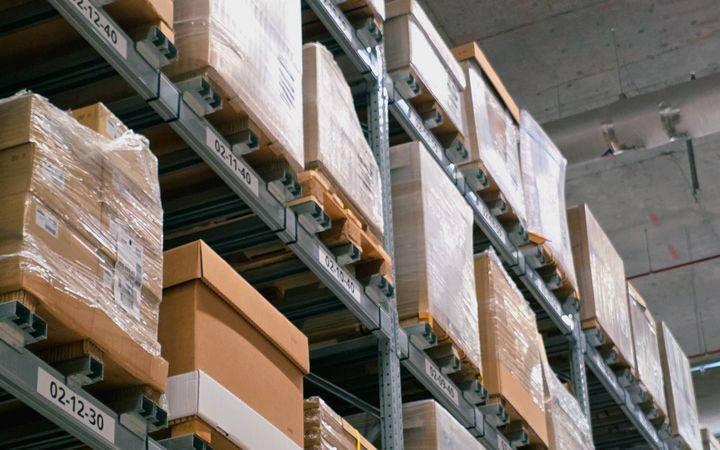
In many warehouses, goods have no clear owner. Everybody handles them, so nobody is accountable. When a shortage appears, the result is an argument rather than an answer. Assigning clear responsibility is one of the simplest and most effective controls.
Name a responsible person for each area
Divide the warehouse into areas or item groups, and assign each to a named person. That person is responsible for receiving, storing and issuing goods in that area, and for the accuracy of the records.
Put it in writing
A written liability agreement with the storekeeper sets out what the person is responsible for, the limits of that responsibility, and how stock will be checked. It protects both the company and the employee.
- The scope: which goods and locations.
- The duties: receiving, storing, issuing and recording.
- The rules for counts and handovers.
- What happens if a shortage is found and how it is investigated.
Check local labour and civil rules when you draft it, and make sure the terms are fair and clear.
Give people what they need
Responsibility only works if the person has control. They need access to the area, authority over who enters and clear procedures. Holding someone liable for an area that many others use freely is neither fair nor effective.
Count at every handover
When the responsible person changes, whether for leave, rotation or leaving the company, count the stock together and sign the result. This separates the periods of responsibility and avoids disputes.
Keep regular checks
Responsible persons should expect spot counts and independent reviews. These are not a sign of distrust; they protect honest people and discourage careless habits.
Combine responsibility with support
Training, good conditions and a fair approach to mistakes encourage honesty. People report problems when they do not fear being punished for telling the truth.
A handover checklist
- Date and time of the handover.
- Both persons present, with the manager.
- A count of the stock in the area, with the results written down.
- Explanation of differences and a decision on each.
- Signatures on the handover document.
Be fair about shortages
Natural losses, damage and document errors are not the same as theft. A fair procedure investigates the cause before assigning liability, and gives the person a chance to explain and to correct the records.
Clear ownership means fewer losses, quicker answers when something goes wrong and a better working climate.