Criteria for choosing warehouse software
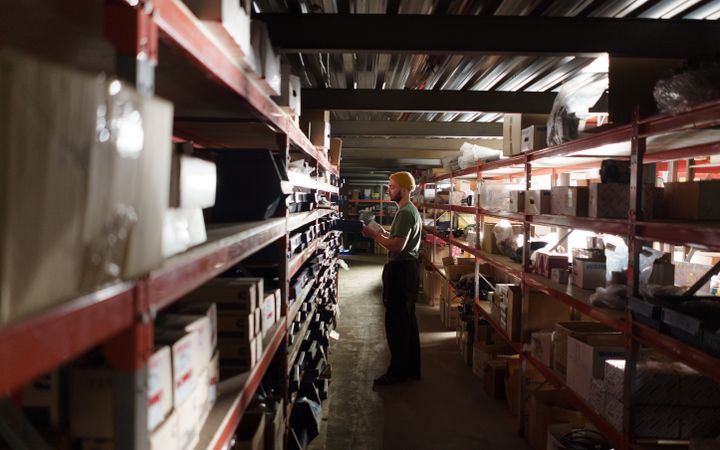
Choosing warehouse software is a decision that you will live with for years. A system that is too simple limits you; one that is too complex is not used properly. The aim is to find one that fits your processes and your people.
Start with your processes
Before looking at products, write down how your warehouse works: receiving, storage, picking, packing, dispatch, returns, counting. Note where the biggest problems are today. These are the requirements you will test every system against.
Key criteria
- **Ease of use:** can your staff learn it quickly and use it in daily work?
- **Barcode and terminal support:** scanning for receiving, picking and counting.
- **Locations and batches:** multiple warehouses, locations, batches, serial numbers and expiry dates if you need them.
- **Reports:** stock, movements, differences and the figures management asks for.
- **Integration:** connection to accounting, sales or e-commerce systems.
- **Flexibility:** the ability to adapt to your way of working without expensive custom work.
- **Support and updates:** who helps when something breaks, and in which language.
Think about cost properly
Look beyond the licence. Include implementation, training, data migration, hardware, support and later changes. A cheap system that needs constant workarounds is expensive in practice.
Test with real data and real people
Run a trial with your own items, locations and a typical day. Ask the staff who will use it to try the main tasks. Their reactions are worth more than any presentation.
Ask references
Speak to companies of a similar size and sector. Ask what went wrong during implementation and how the supplier reacted.
Plan the introduction
A simple scoring approach
List your ten most important requirements and give each a weight. Score every candidate system from 1 to 5 against each requirement. Multiply and sum. The scores will not make the decision for you, but they reveal differences and prevent choosing based on one impressive demo.
Questions to ask suppliers
- How long does a typical implementation take for a company like ours?
- What happens to our data if we leave?
- How are updates delivered and what do they cost?
- Who answers the phone when something stops working?
Clean your item master data, decide who owns the system, and roll it out in stages. A good system badly introduced will fail, and a modest system well introduced will succeed.